
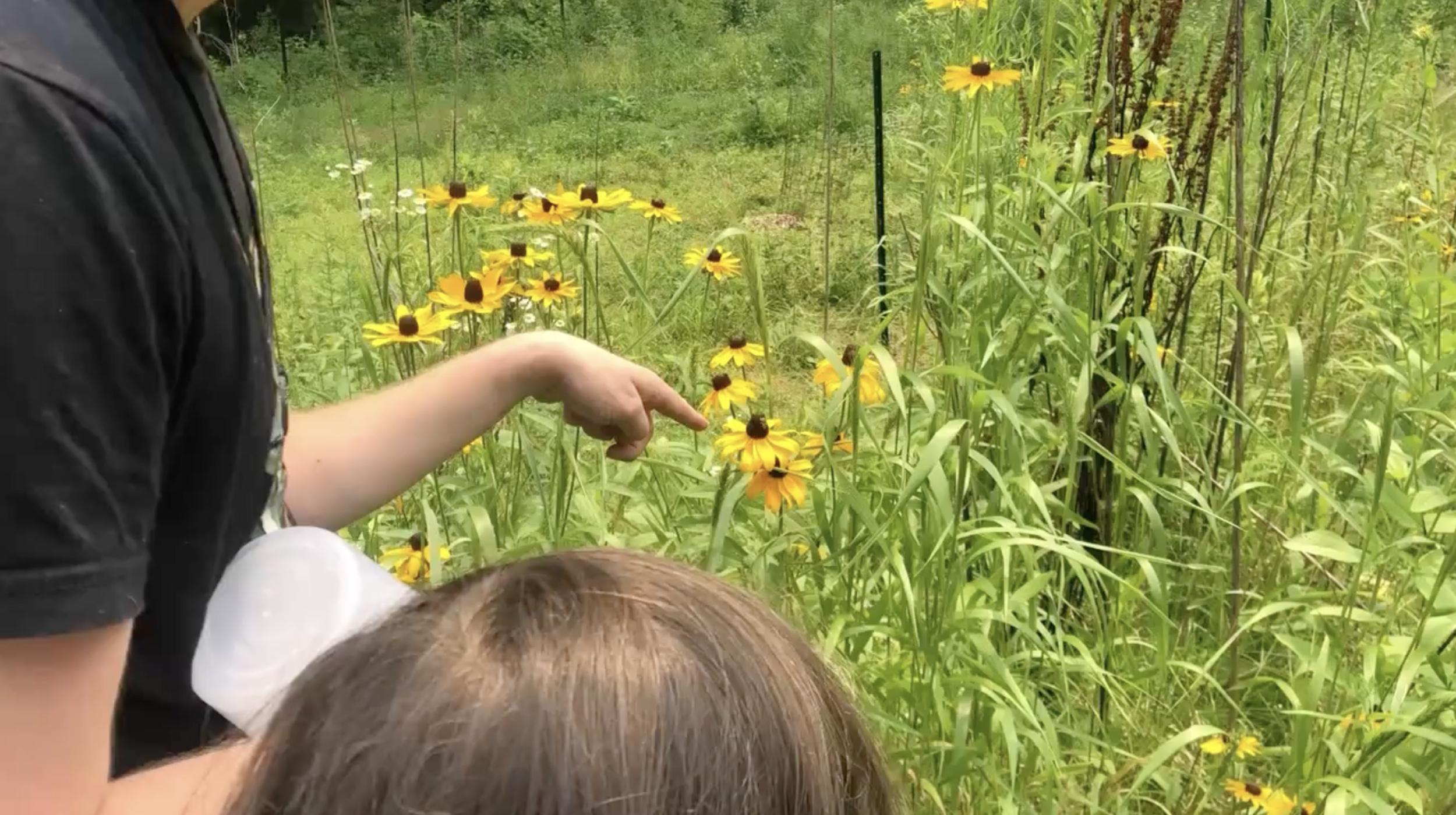
Access to Nature is a Child’s Right, Not a Priviledge
How it All Began
City to Sanctuary was founded by Dr. Maysaa Bazna after more than 30 years as a special education teacher, principal, education professor, and researcher. Her work with children took place entirely in Harlem schools, where more than 14 years of learning alongside children in gardens, farms, forests, and wildlife sanctuaries helped shape the vision that became City to Sanctuary.
Across Harlem schools and outdoor learning environments, one pattern emerged again and again: when children—especially those with the least access to nature—have regular, meaningful opportunities to learn in the natural world, they begin to thrive in remarkable ways.
City to Sanctuary grew from this work and from a simple but profound realization:
When children are connected to nature, they show up—not just to class, but to life.
Science Confirms
-
Numerous studies show that environmental microbial exposures influence immune regulation and stress responses, promoting better mental and physical health at the cellular level (Dawud, Holbrook & Lowry, 2022; Frank et al., 2018; Reber et al., 2017).
-
A study of 1,730 junior high students found that adolescents’ contact with nature significantly predicted positive youth development (Li et al., 2025).
A study of 587 middle school students found that a connection to nature was significantly and positively associated with students’ competence (Bowers, Larson & Parry, 2021)
A study of elementary students found that children’s connection to nature was significantly associated with higher overall social-emotional learning skills — including self-awareness, self-management, and relationship skills — all important indicators of positive development (Lanza et al., 2022).
In a qualitative study of school principals and teachers, educators reported that children’s hands-on contact with nature appeared to improve self-esteem, engagement, stress relief, creativity, connectedness to others, and overall empowerment (Maller, C.J., 2009).
-
Large, multi-country studies show that greater maternal exposure to green space during pregnancy is associated with healthier birth outcomes and with biological differences in neonatal DNA methylation related to brain development and stress regulation—suggesting that access to nature may confer developmental advantages beginning before birth (Cserbik et al., 2025; Gascon et al., 2022).
Research indicates that sustained exposure to nature from childhood onward is linked to better mental health, lower stress, and improved physical well-being across the lifespan (Li et al., 2021; Twohig-Bennett & Jones, 2018).
A large urban health study found that living on a city block with ten additional trees was associated with improved self-reported health equivalent to being seven years younger or earning about $10,000 more per year (Kardan et al., 2015).
Large cohort studies and meta-analyses consistently show that people living in greener environments have a lower risk of dying from any cause, conferring measurable survival benefits across diverse populations (Crouse et al., 2017; James et al., 2016; Rojas-Rueda et al., 2019).

Our Story

2010-2011 — When Children Led us Outdoors
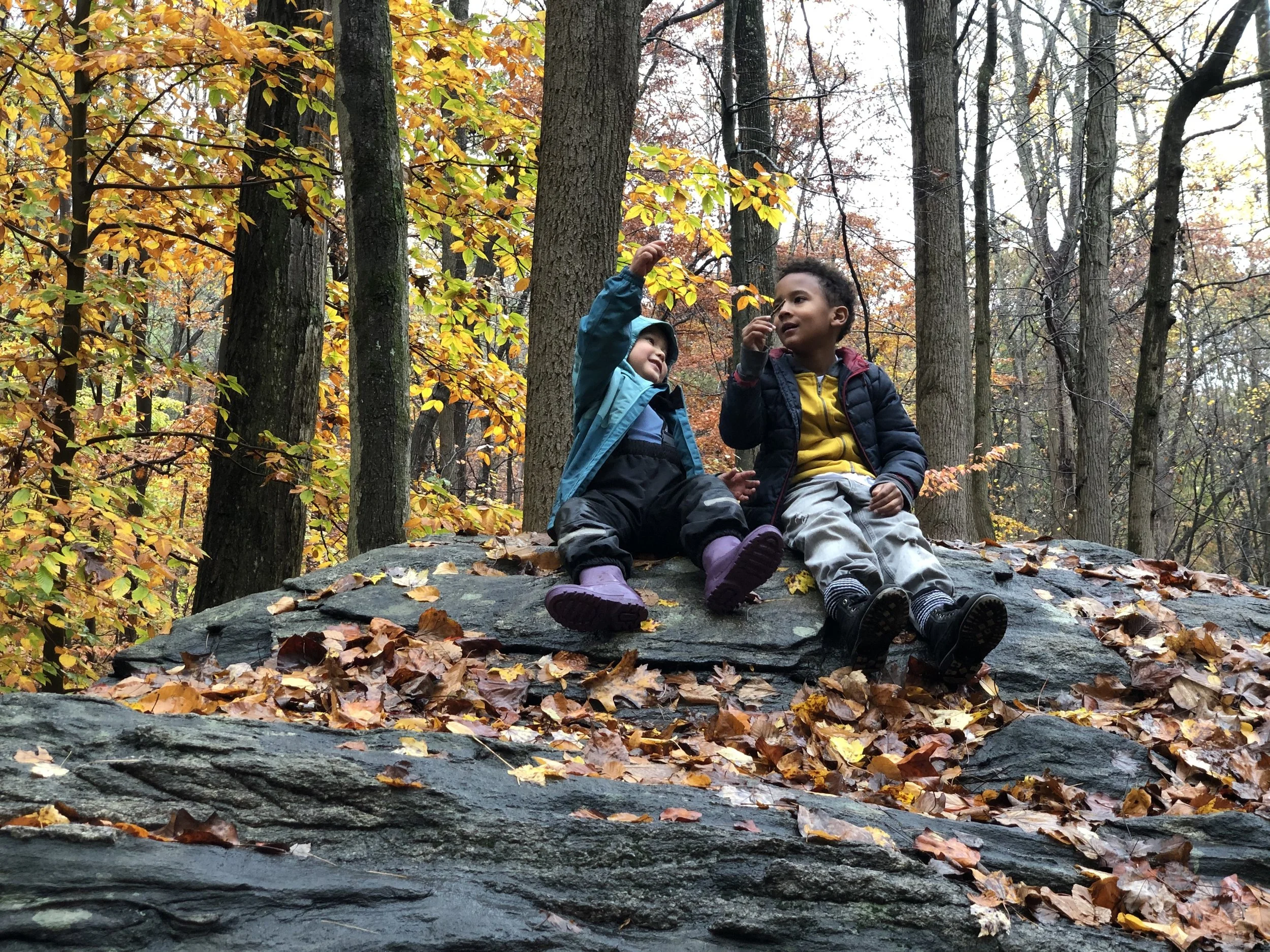
Founded in Harlem in 2010 by Dr. Maysaa Bazna as a democratic school where students designed their own curriculum, Pono quickly became an outdoor school—driven by children's desire to explore forests, gardens, and farms.
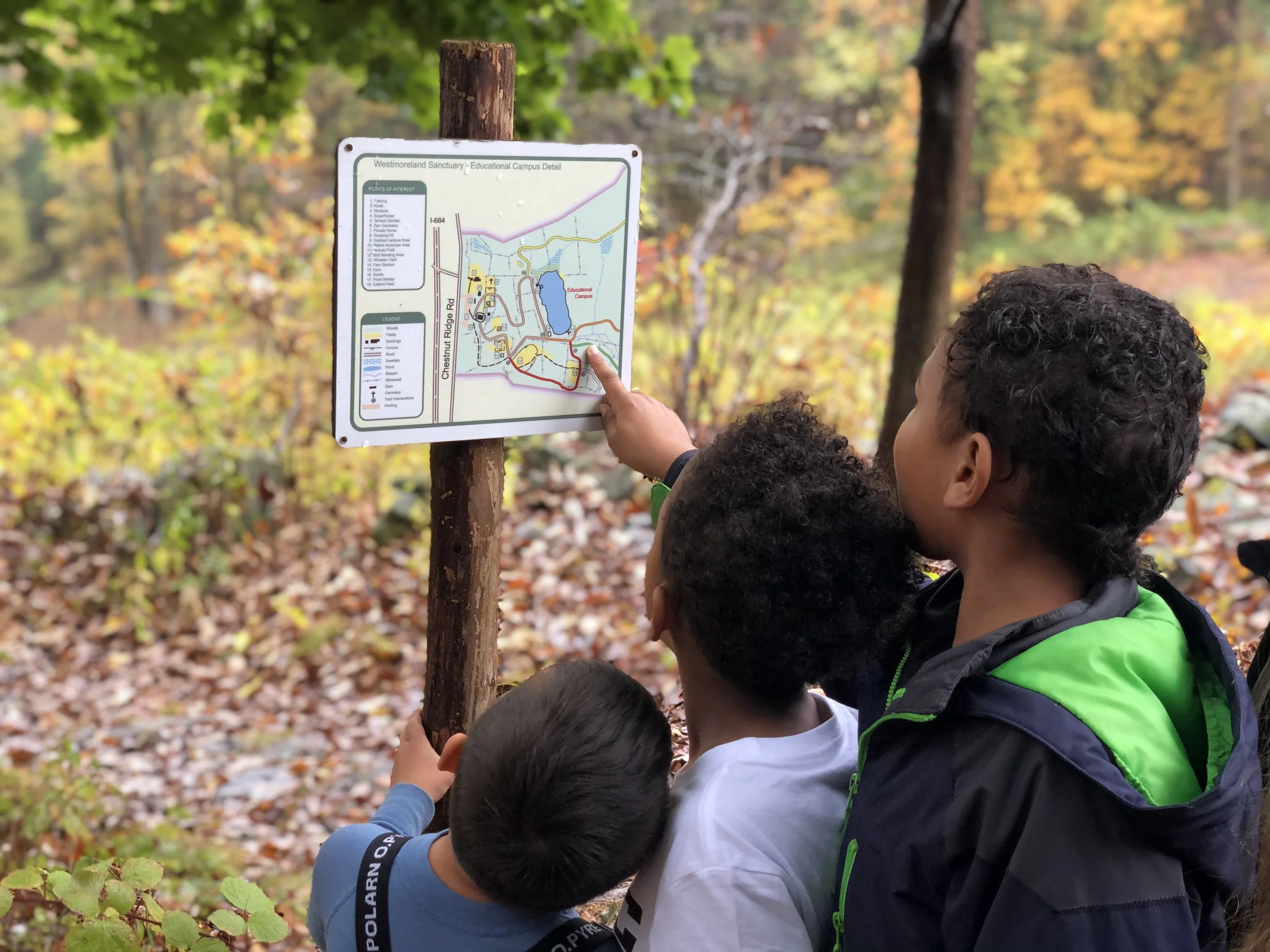
2011-2021 — A Decade of Listening to Children about Nature
Over time, Pono’s outdoor program revealed unmistakable outcomes: regular, close contact with nature nurtures empathy, autonomy, peace, confidence, resilience, and informed risk-taking in children.
2021 — From One School to Children Across the City
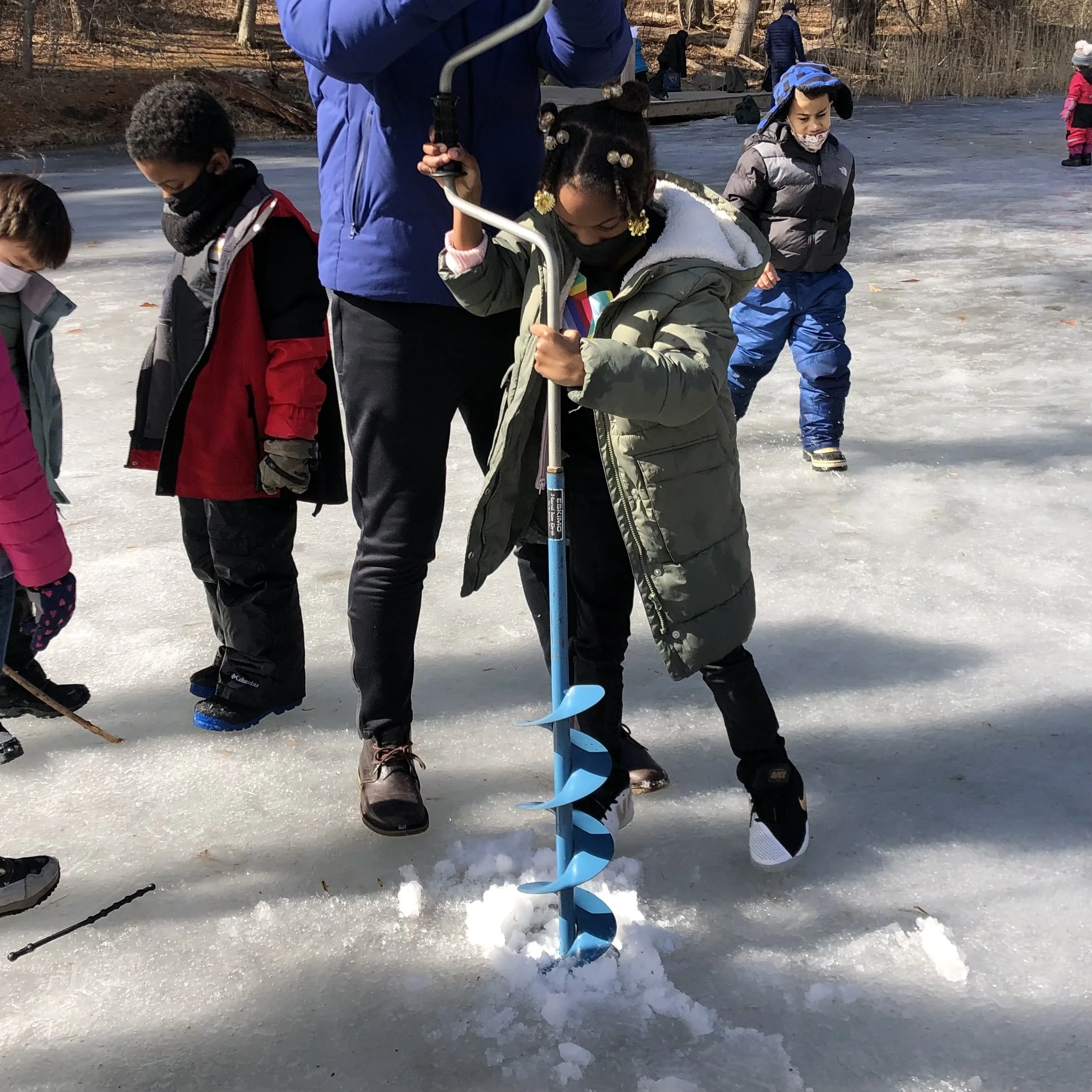
During the pandemic, City to Sanctuary emerged from Pono’s outdoor model, drawing an overwhelming response as children and families described the experience as joyful, grounding, and life-changing.

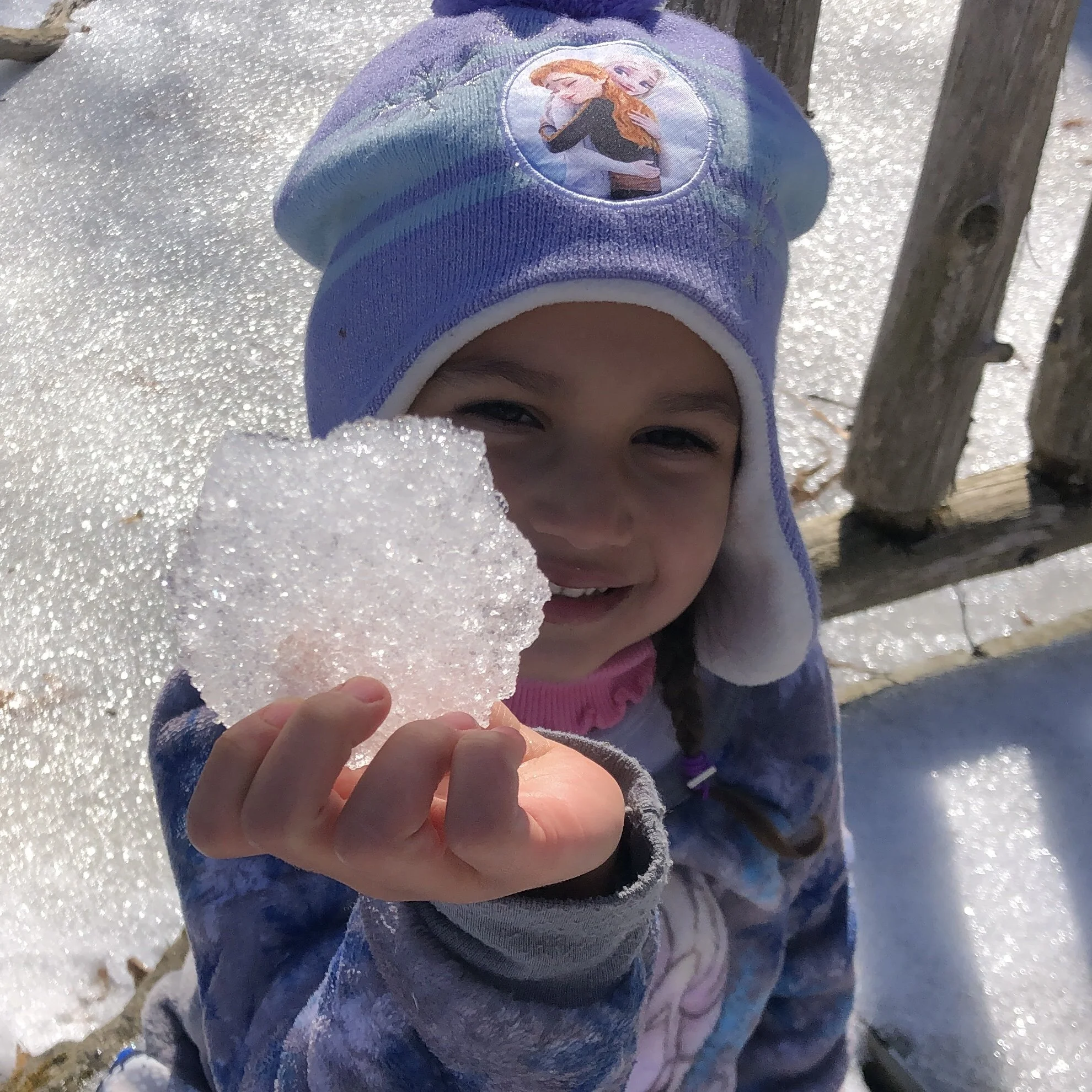
2022 — Breaking Barriers to Nature
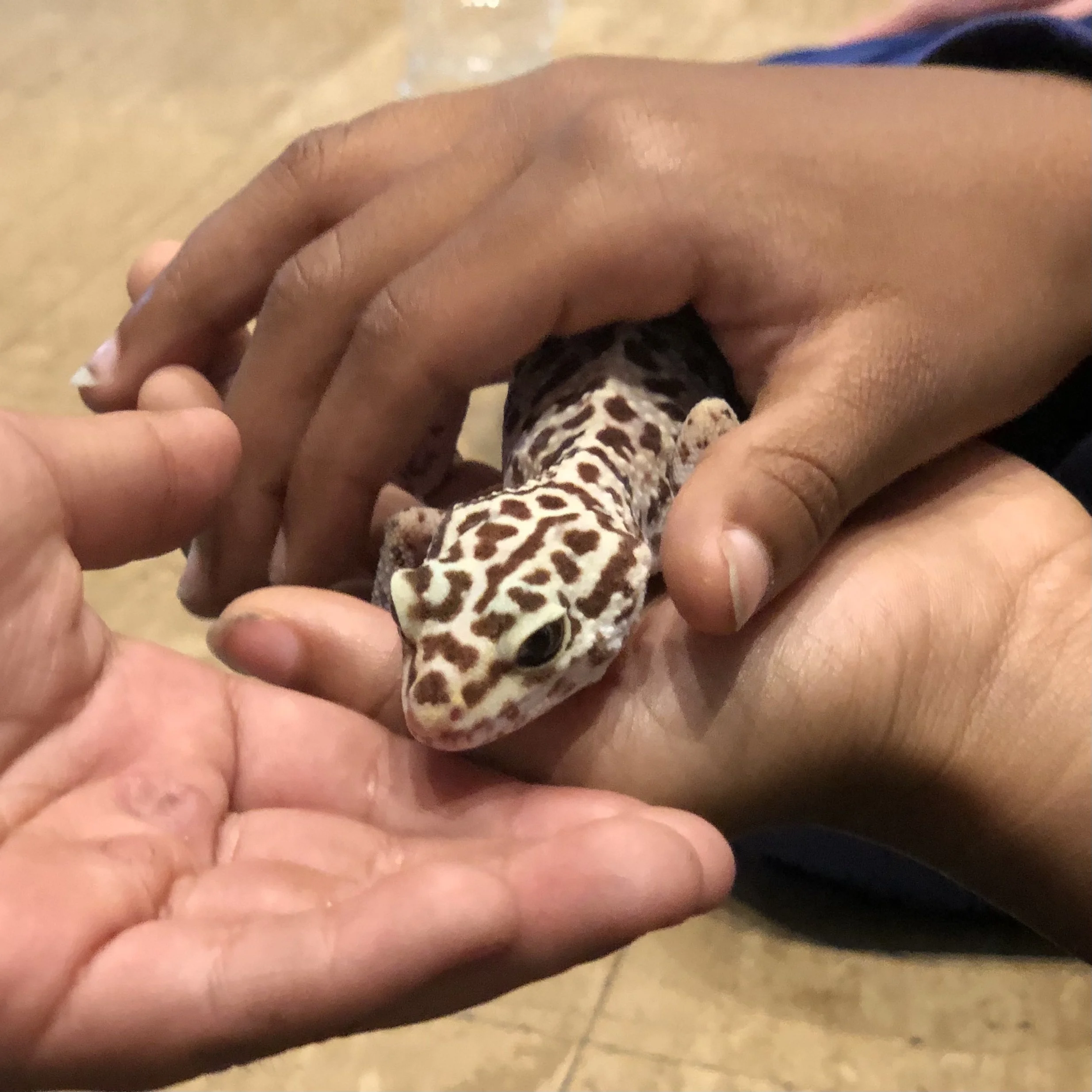
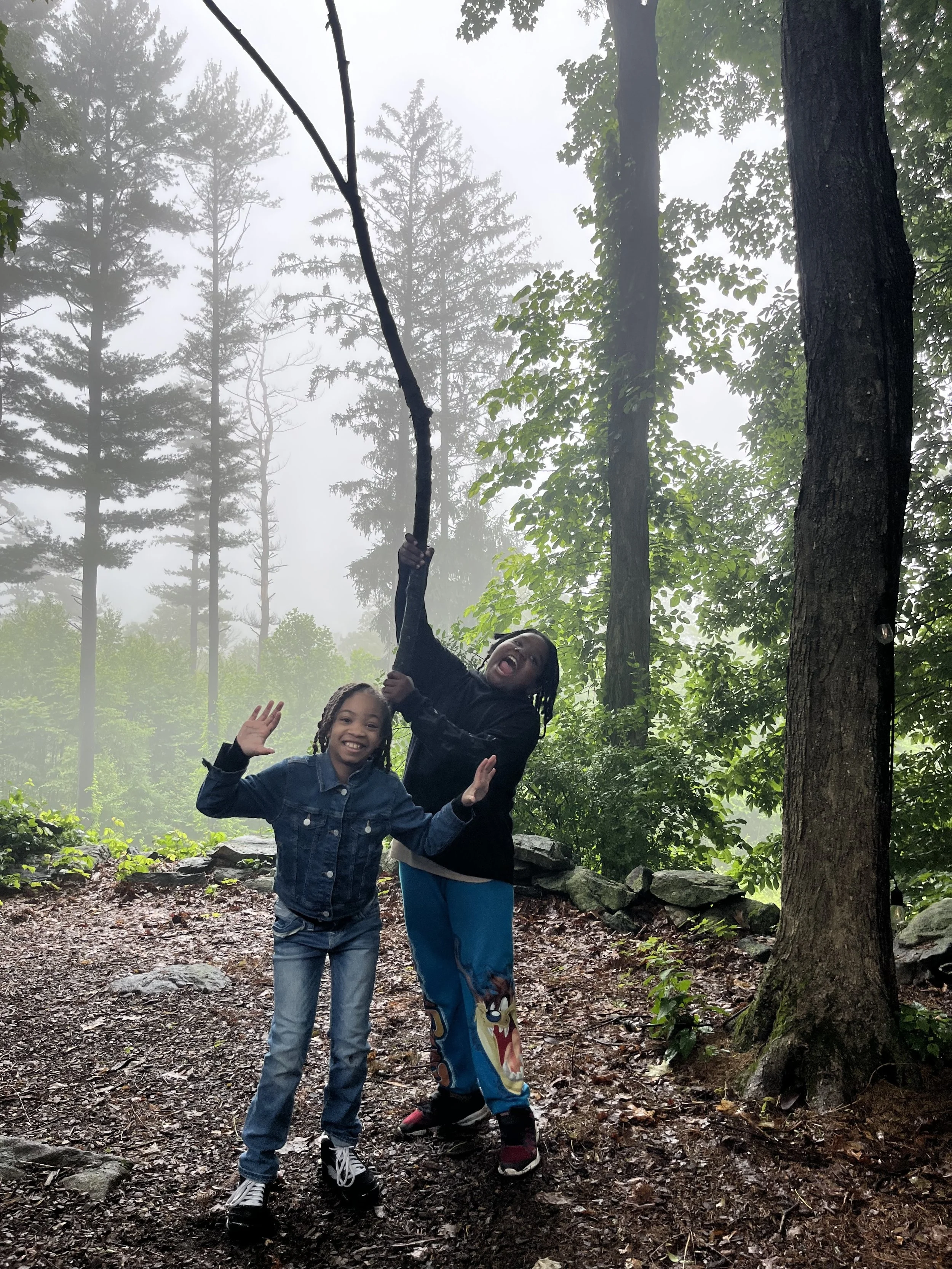
The first City to Sanctuary scholarship trip revealed how quickly children who had never been in a forest shift—from tension and overwhelm to curiosity, calm, and wonder—underscoring the urgent need to reach city children from low-income and marginalized communities.
2022-2025 — Bringing the Forest to Public Schools
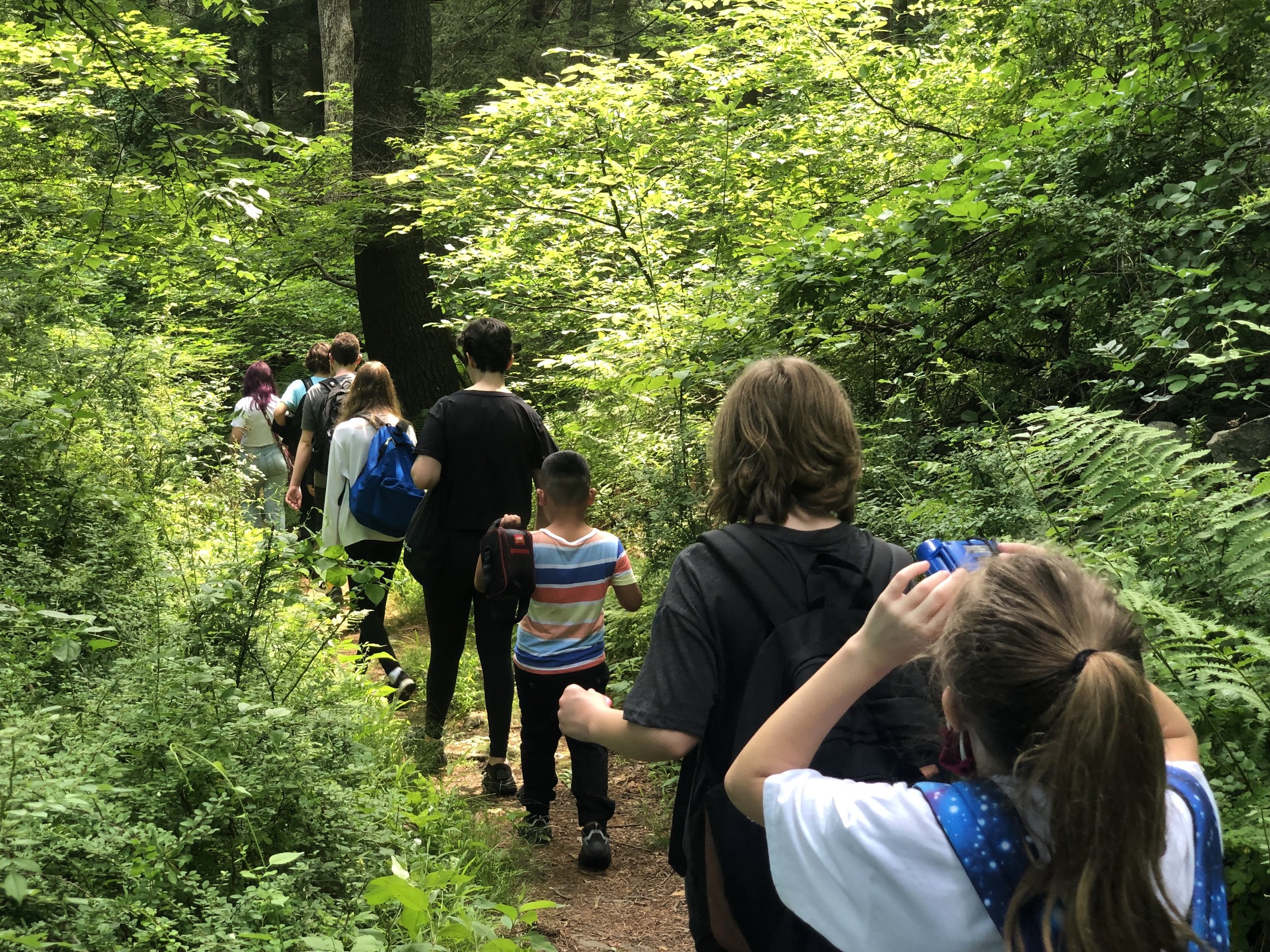
With generous funding, City to Sanctuary was piloted directly in Title I public schools, engaging 197 Harlem students over three years in monthly sanctuary trips with expert naturalists and resulting in undeniable growth, including significant year-over-year increases in students’ well-being and connection to nature scores.

2025 — Measurable Impact, Deep Transformation
Teachers and principals reported increased student focus, engagement, curiosity, and well-being, while valuing that City to Sanctuary required minimal planning and included transportation—reinforcing that access to nature is not optional enrichment, but essential to children’s development.
2026 — A Sanctuary for Every Child
Guided by the belief that access to nature is a fundamental child right, City to Sanctuary continues to grow, supporting students in low-income urban communities as time in nature builds confidence, curiosity, peace, and connection.

What Comes Next
Our long-term vision is to bring nature into every Title I public school in urban cities across the nation.
We’re expanding our work in New York in 2026 and growing into California in 2027.
Take the first step
Help your students build confidence, curiosity, and connection.