

Accessible. Affordable. Simple to Implement.
What your Students will Experience

Meet the Animals
Students learn about, feed and pet rabbits, turtles, frogs, lizards, snakes, birds, and even tarantulas and Madagascar hissing cockroaches.

Hike and Explore
Discover new trails, climb rocks, track animals, dig for decomposers, and follow seasonal changes.

Soak It In
Search for life under the water, walk on frozen ponds, build fire and shelters, forge and ice fish.
City to Sanctuary is built through partnerships with protected natural spaces that serve as living classrooms.
Seasonal Adventures & Monthly Rhythm

October
Students catch, band, and release birds, learning about migration, behavior, and conservation.
Bird Banding
November
Exploring ponds, catching frogs, clams, and insects, and observing aquatic life.
Pond Ecology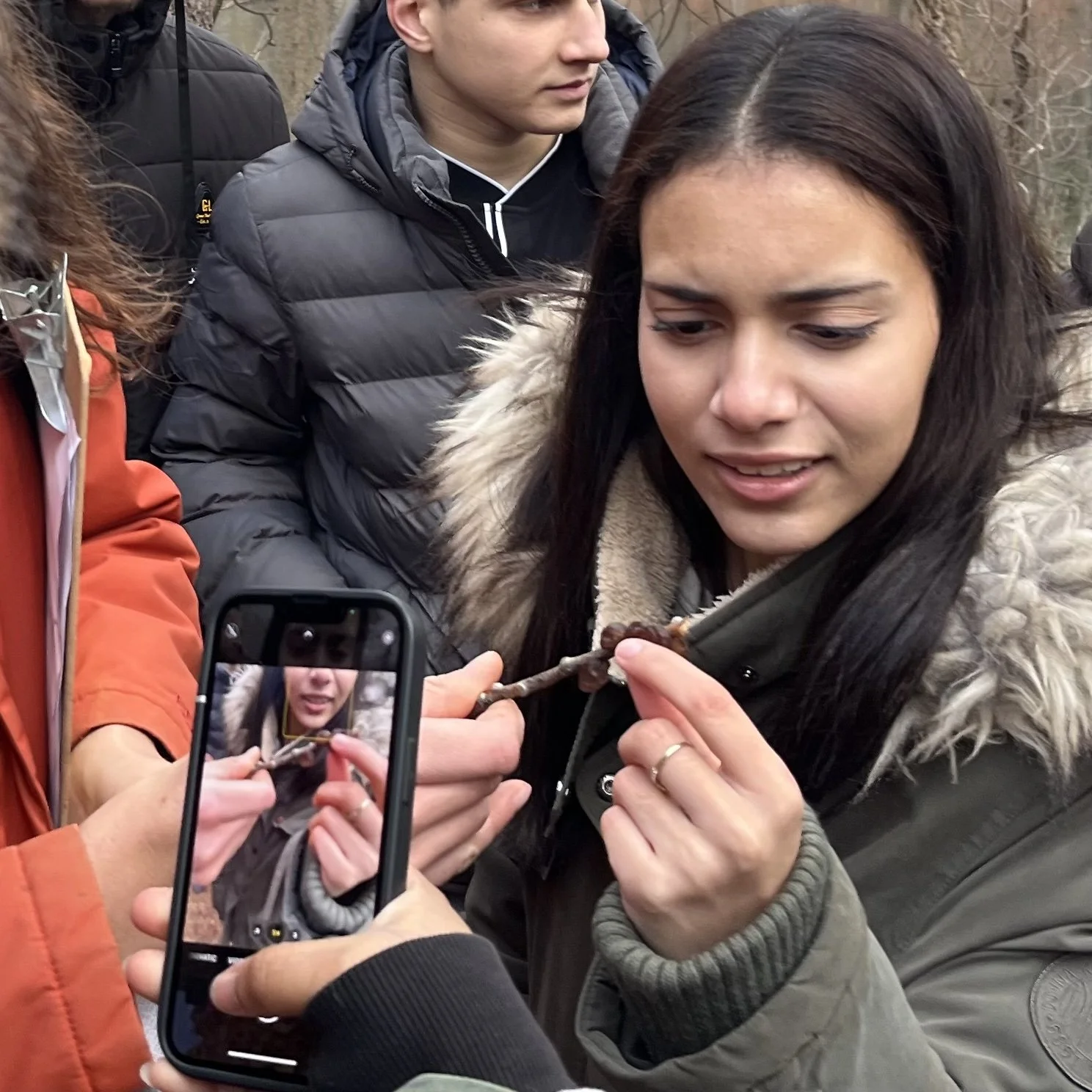
MycologyDecember
Discover the fascinating world of fungi, mushrooms, and decomposers during winter hikes.
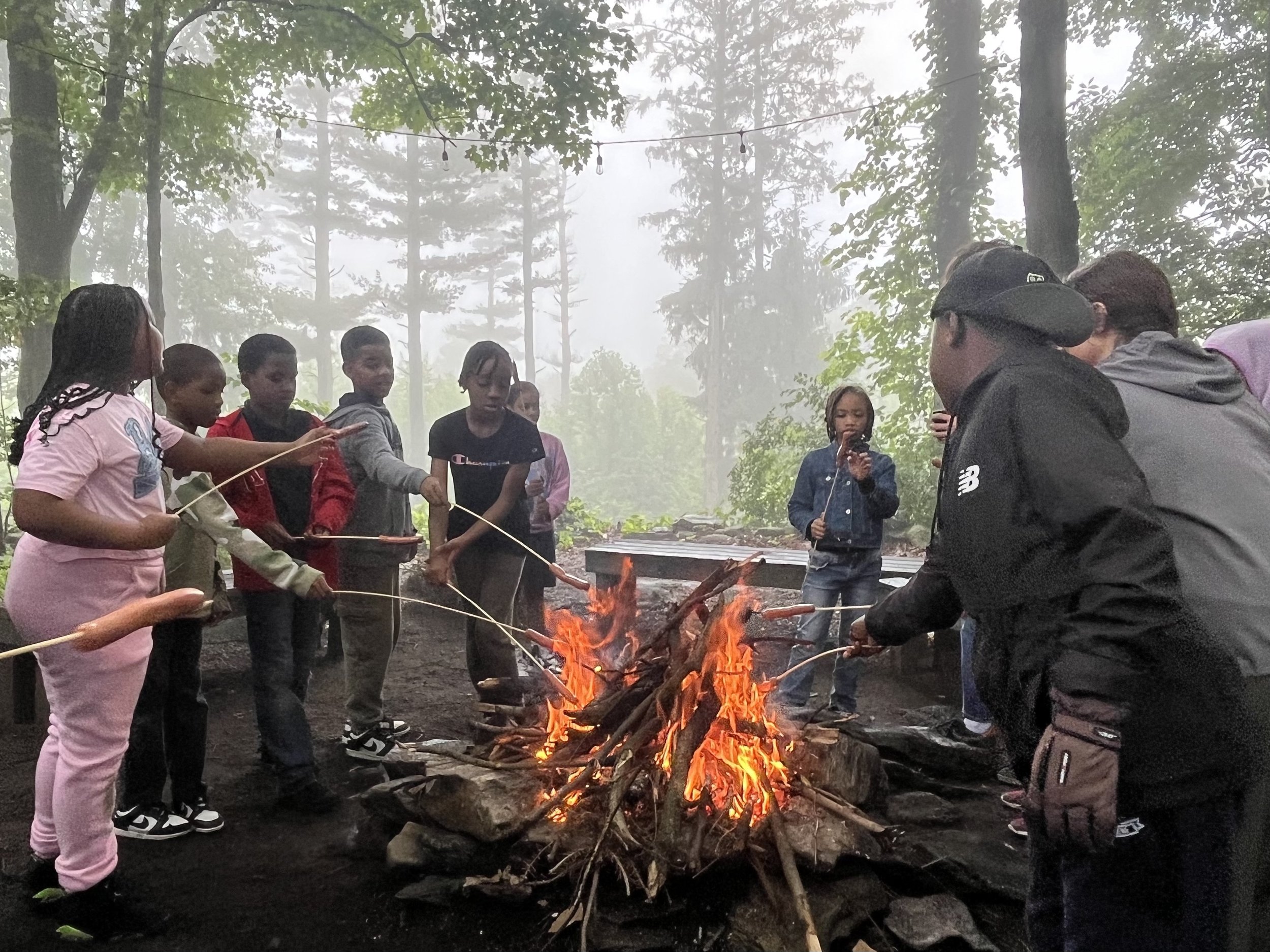
Shelter and Fire BuildingJanuary
Hands-on skills for building shelters and fires in cold weather.
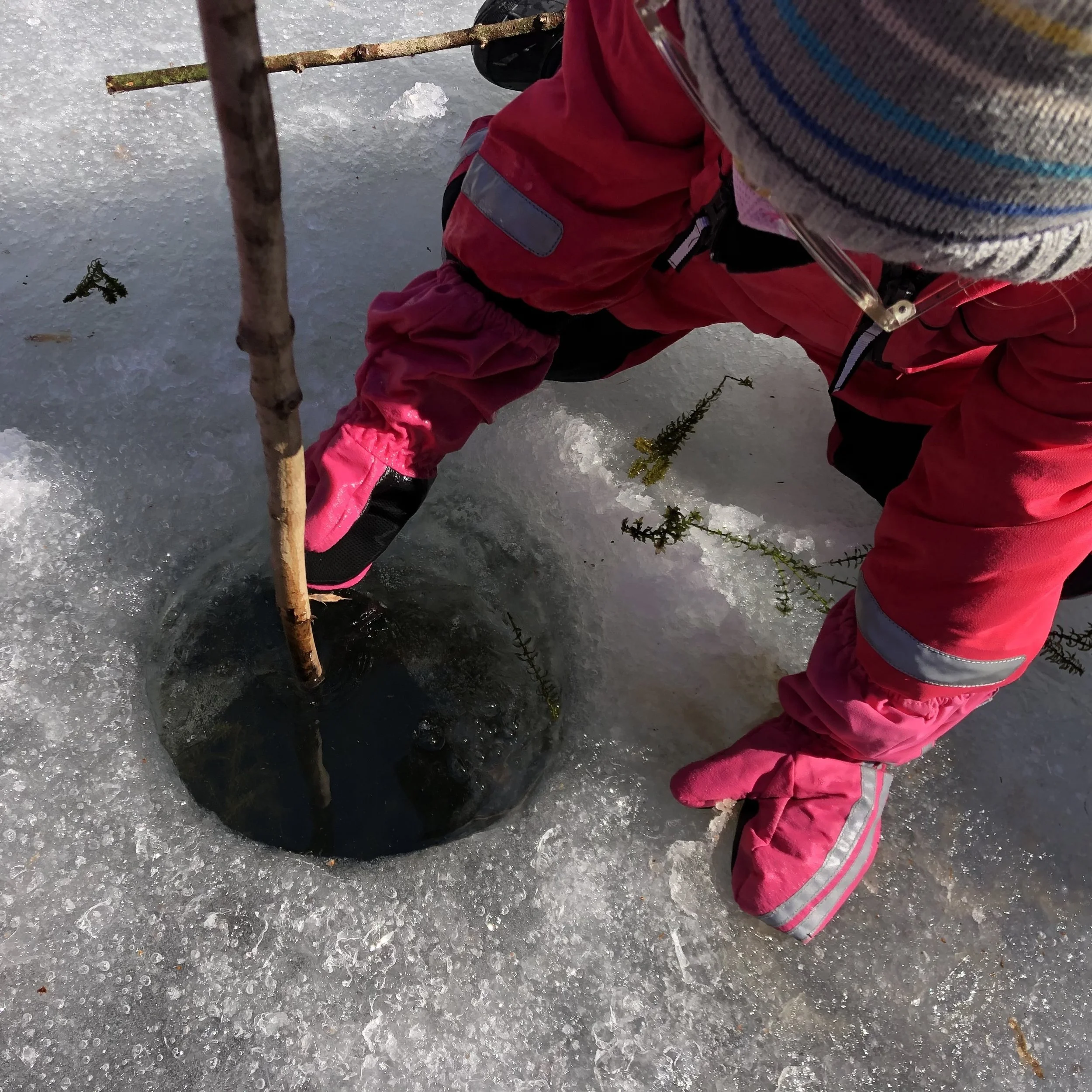
Ice Fishing & Animal TrackingFebruary
Drill holes in frozen ponds, search for animal tracks, and learn how wildlife survives the winter.
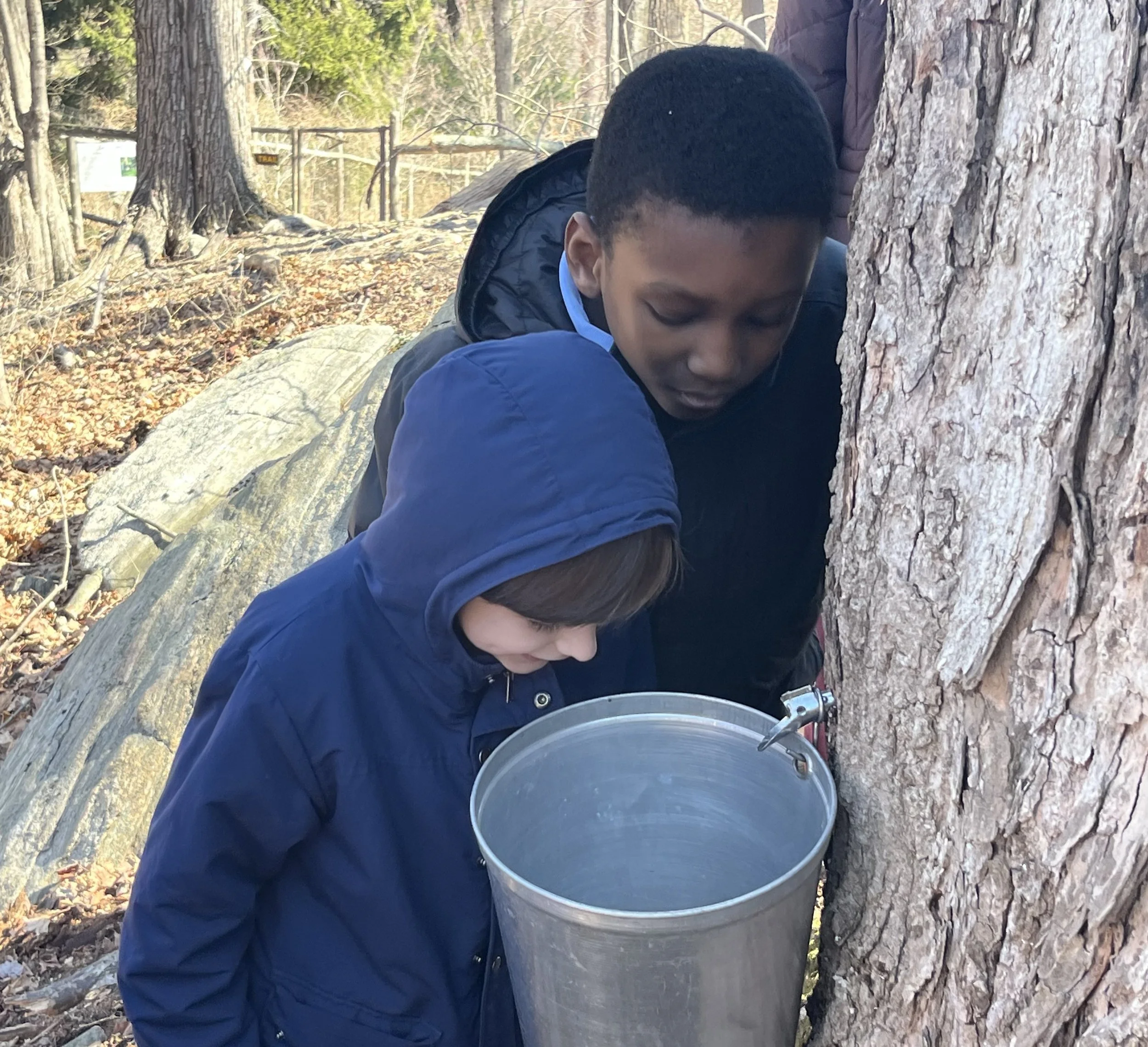
Maple SugaringMarch
Tap maple trees, collect sap, and watch the process of turning it into syrup that they taste.
Vernal PoolsApril
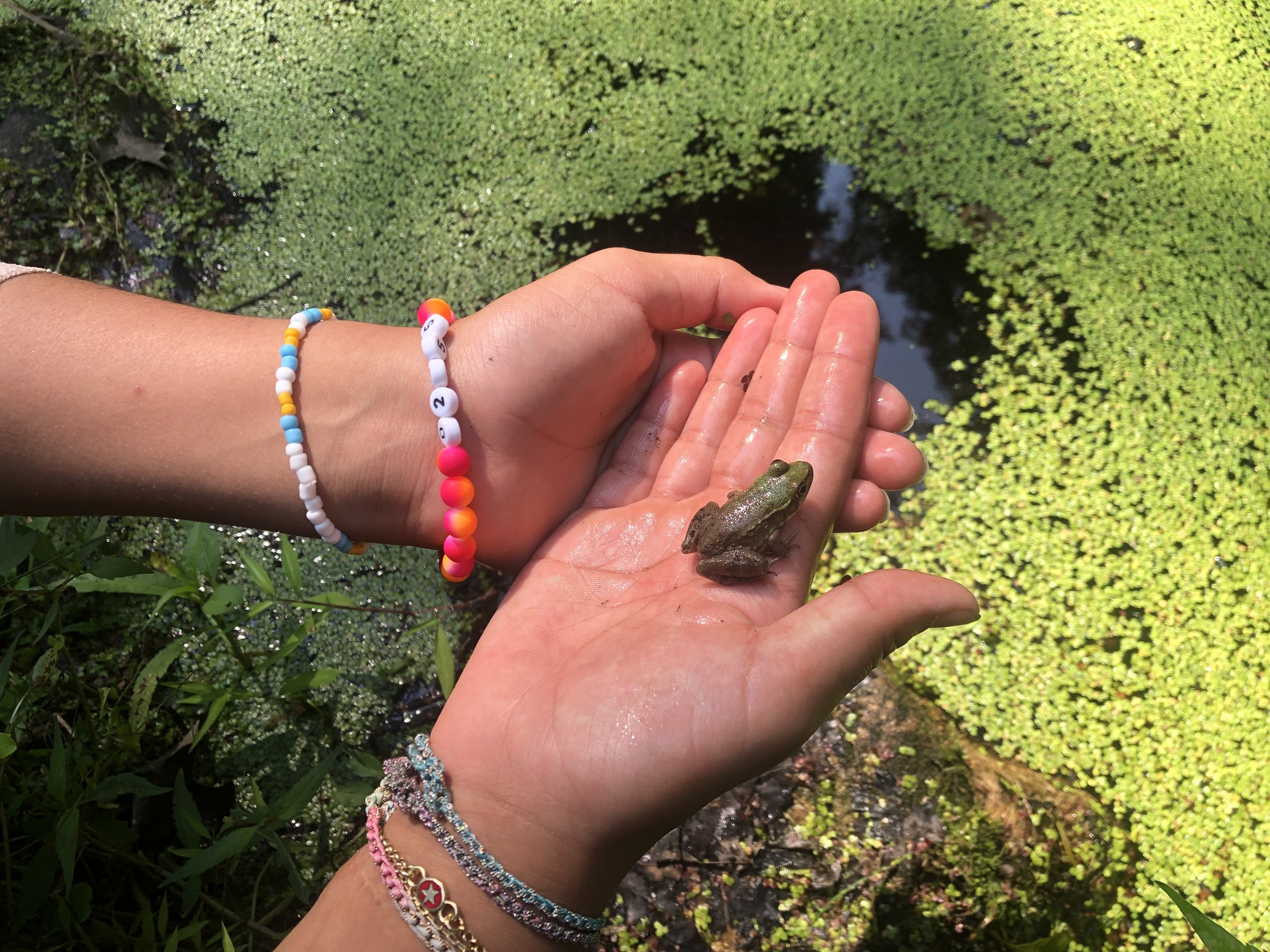
Follow frogs, catch fairy shrimps, and explore ephemeral pools to understand amphibian life cycles.

Bird BandingMay
Return to observe and track birds, deepening students’ connection to wildlife.
Fire Building & CookingJune

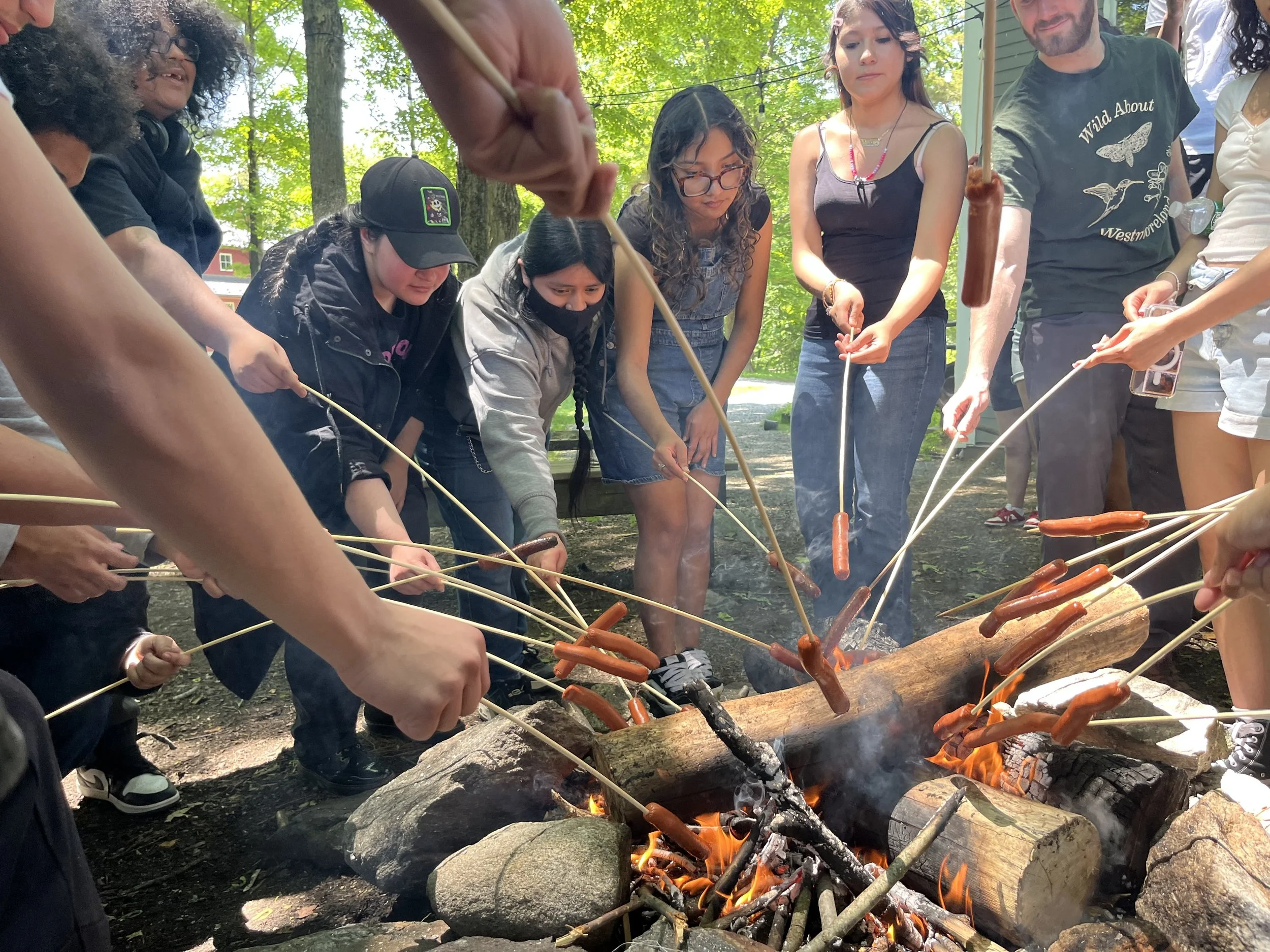
Build fires, cook over open flames, and explore nutrition in nature.
On inclement weather days, students engage in indoor activities such as skulls and furs exploration, meeting animals, and other hands-on projects.
Rainy Days
“It’s more than an outing; it’s an opportunity for growth in every sense.”
Learning is aligned with state standards.
For Students who Need it Most
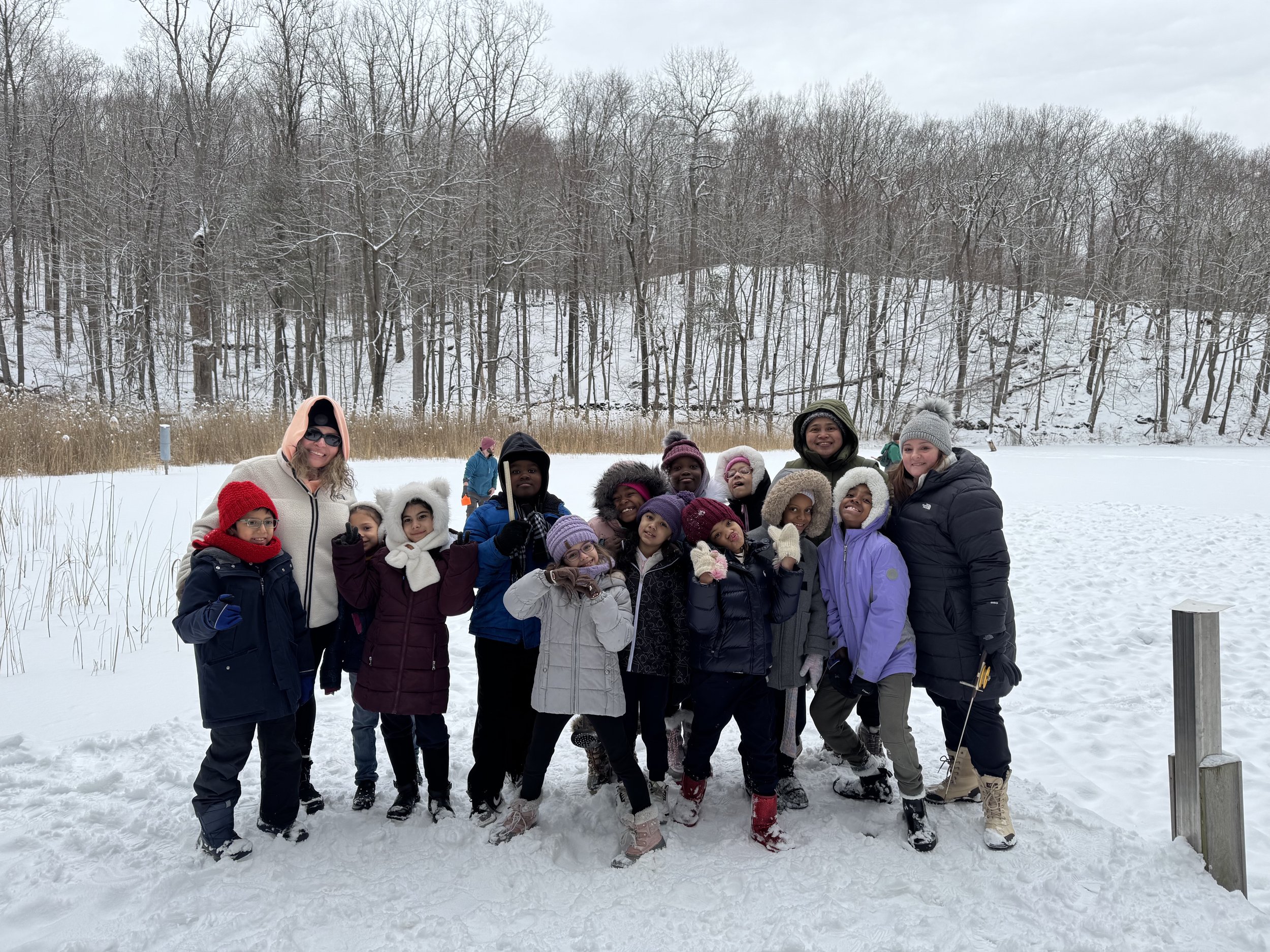
City to Sanctuary is built for public schools where students are affected by systemic barriers and where consistent, immersive nature experiences can make the greatest impact.
Affordable by Design
Funding partnerships allow the program to be offered for $5,000 per school.
Your Investment Includes

Nine monthly sanctuary visits per year
All scheduling and coordination
Guided learning experiences
Materials and activity design
Transportation and logistics
Safety prep and on-site support
Ongoing communication and collaboration with teachers
“Literally, you guys are incredibly easy to work with, and actually having the bus take us and bring us back has been completely valuable because otherwise I think it would’ve been a lot more challenging to coordinate. Even regular trips within the city can become challenging to coordinate. This one feels very stress-free. ”
Frequently Asked Questions
-
Yes. Students who struggle with focus, attendance, behavior, or classroom regulation often benefit the most from City to Sanctuary. The program is intentionally designed to be inclusive and supportive for a wide range of learning, behavioral, and social-emotional needs.
-
Schools report improvements in attendance, engagement, focus, and classroom behavior. Teachers see increased motivation and curiosity; principals notice stronger school culture and better teacher-student relationships.
-
City to Sanctuary supports students with diverse abilities and needs. At this time, most trails in our partner sanctuary in the New York area are not wheelchair accessible.
We encourage schools to reach out so we can discuss individual circumstances and potential options. -
Very little. City to Sanctuary is a turnkey program. We plan and facilitate all activities, coordinate transportation, and manage logistics. Teachers simply join their students and support participation — no additional prep is required.
-
We do. City to Sanctuary coordinates scheduling, transportation, sanctuary partnerships, and on-site facilitation. Schools only need to provide standard classroom supervision.
-
Schools only need to provide the same level of supervision they would in a regular classroom. Our team leads all activities and manages the logistics, so staff can focus on supporting students.
-
The program is designed to operate in a variety of weather conditions, and students gain a lot from experiencing the seasons. In cases of severe weather that could compromise safety, we work with the school to reschedule.
-
Yes, when space allows. Parents often enjoy the opportunity to see their children connect with nature and may join as volunteers or chaperones depending on transportation capacity.
-
Schools with limited budgets are encouraged to participate. City to Sanctuary offers funding partnerships that can significantly reduce program costs—often to a fraction of the full amount. City to Sanctuary is a registered vendor with the New York City Department of Education (DOE), allowing schools to pay directly through the DOE system.
-
City to Sanctuary is open to students from 2nd grade through high school. Schools may choose the specific grades they’d like to include, and the program activities are adapted to be developmentally appropriate for each age group.
-
A standard liability form must be signed by parents before students can participate in any City to Sanctuary visits.
-
Yes. City to Sanctuary can serve single classes, multiple classes, or whole schools. Our team handles coordination, making it straightforward to expand participation.
-
The benefits are strongest when the same students participate throughout the year, as returning to the same sanctuary builds comfort, confidence, and connection. However, some schools rotate students so more children can participate. Both approaches are possible.
-
Groups work best when students are close in age so activities remain developmentally appropriate. Mixed-grade groups can be discussed depending on the age range.
-
Many students who join City to Sanctuary have limited access to natural spaces. The program is designed with this in mind—students are guided thoughtfully and supported as they explore new environments.
-
We’re here to help. Contact us and we’ll gladly answer any questions specific to your school or students.
Take the First Step
Help your students build confidence, curiosity, and connection.